
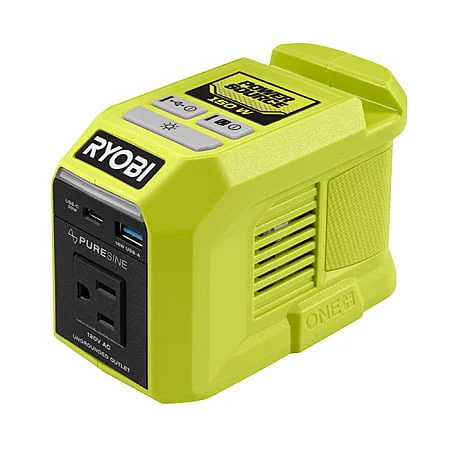
FreeShipping - Ryobi 18V 150 Watt Power Source (Pure Sinewave) $39
11% below the Home & Home Improvement category benchmark (44%)
📉 Immediate $20.00 markdown (33% off) from list price
*When you purchase through links on our site, we may earn an affiliate commission.
About this Deal
Direct Tools Outlet currently lists the RYOBI ONE Plus 18V 150W Portable Battery Inverter Power Source in Factory Blemished condition (Tool Only, Model PCLBG07B) for the promotional price of $39. Shipping is provided free of charge.
Product Specifications and Features:
- Supplies reliable power for mobile phones and compact electronics during utility outages
- Pure sine wave technology delivers clean power safe for sensitive electrical equipment
- Gallium Nitride (GaN) engineering maximizes energy efficiency, extends operating duration, and minimizes noise
- Built-in storage slot to secure a mobile phone or tablet device
- Dedicated independent power switches control the LED task light, USB ports, and AC socket to preserve battery life
- Incorporates an automatic shutoff feature activating after three hours of inactivity
- Three-mode LED task light integration
- Delivers approximately 3 phone charges utilizing an 18V ONE+ 4Ah battery, or up to 10 charges with an 18V ONE+ 12Ah battery
- Powers an LED light source for 6 hours via an 18V ONE+ 4Ah battery, or up to 18 hours using an 18V ONE+ 12Ah battery
- Weighs a mere 1 lb. for optimal portability
- Electrical Outputs: (1) USB-A Outlet (18W Max), (1) USB-C Outlet (30W Max), and (1) 120V Outlet (1.25 Amps Pure Sine Wave)
💬 Community Comment Consensus
AI-driven analysis of community comments & user feedback (5 comments analyzed)
Community sentiment for the RYOBI 150W Portable Battery Inverter is mixed and leans neutral. Users debate its actual utility given the 150W limit and the availability of pure sine wave alternatives.
- Pros: Integrates with existing Ryobi 18V batteries; useful for legacy devices, string lights, or camera equipment requiring AC power.
- Cons: Modified sine wave rather than pure sine wave; limited to 150W which restricts its application scope; standard power banks or car chargers handle basic USB charging better.
- Verdict: Proceed with caution if you strictly need AC power for specific low-wattage devices, but consider whether a standard power bank or pure sine wave inverter better fits your needs.
🏷️ More Top Deals from Ryobi
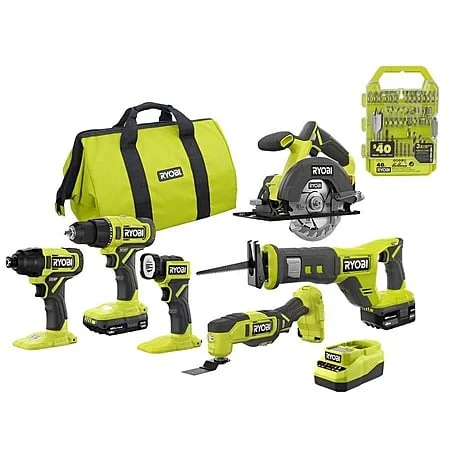 34% OFF
RYOBI ONE+ 18V Cordless 6-Tool Combo Kit with 1.5 Ah Battery, 4.0 Ah Battery, Charger, and Drill & Impact Drive Kit (40-Piece) at HomeDepot ($208.97)
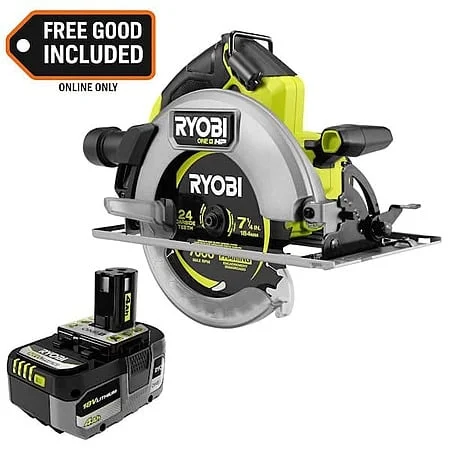 48% OFF
Ryobi ONE+ HP 18V Brushless Cordless 7-1/4" Circular Saw w/ 4.0 Ah Battery $139 + Free Shipping ($139)
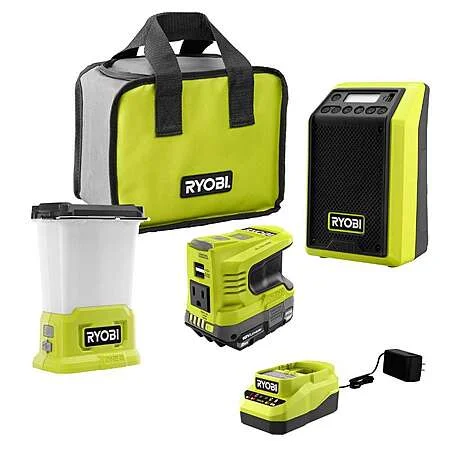 60% OFF
RYOBI ONE+ 18V Cordless 3-Tool Storm And Camping Combo Kit with Radio, Area Light, Power Inverter, 2.0 Ah Battery, and Charger $119 @HomeDepot ($119.00)
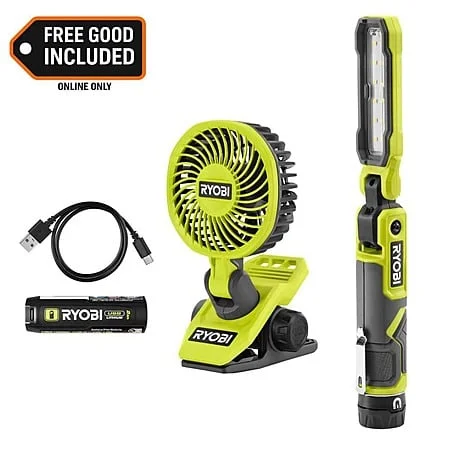 50% OFF
Ryobi USB Lithium Cordless 550 Lumens Rechargeable Inspection Flashlight Kit with USB Lithium Cordless Clamp Fan $39.97 ($40)
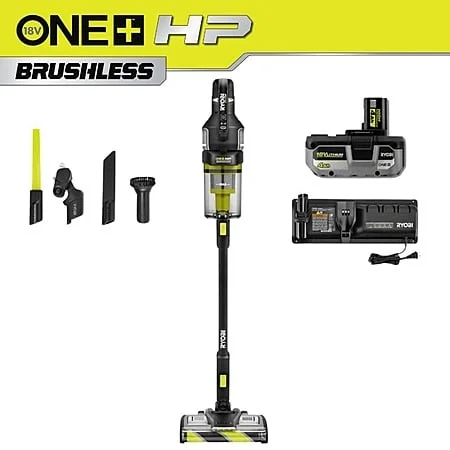 38% OFF
RYOBI ONE+ HP 18V Cordless Advanced WHISPER Series Stick Vacuum Kit with 4.0 Ah Battery and Charger $249 ($249.00)
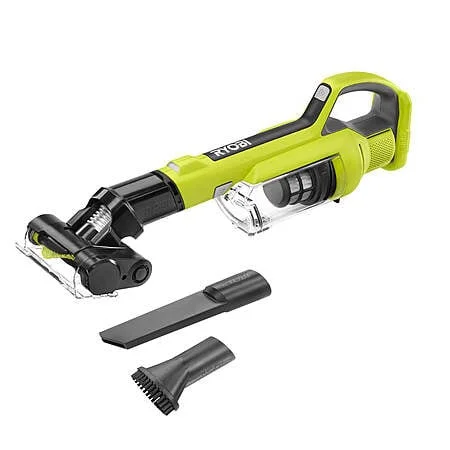 35% OFF
Ryobi 18V ONE+ Powered Brush Hand Vacuum $58.50 + Free Shipping ($58.50)
 35% OFF
RYOBI 1200 PSI 1.8 GPM Automotive Electric Pressure Washer $104 - Free Shipping ($104)
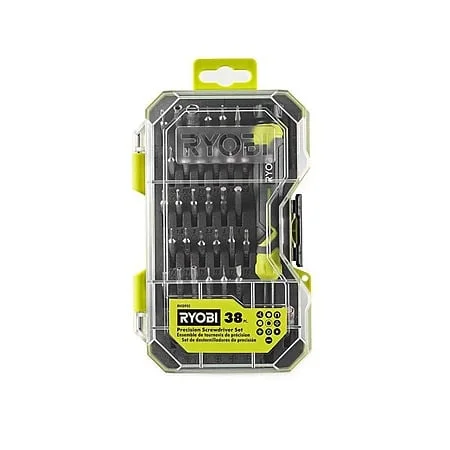
 44% OFF
💬 Community Discussion
Join the community to write comments and participate in discussion!
Sign in with Google